Quick answer
How do you turn negative feedback into a positive experience?
Treat negative feedback as a chance to improve, and handle each complaint calmly and openly with these steps:
- Listen and understand the concern
- Respond quickly and politely
- Take responsibility and apologise sincerely
- Offer a clear solution
- Track recurring issues
- Follow up to confirm satisfaction
In this article (10 sections)
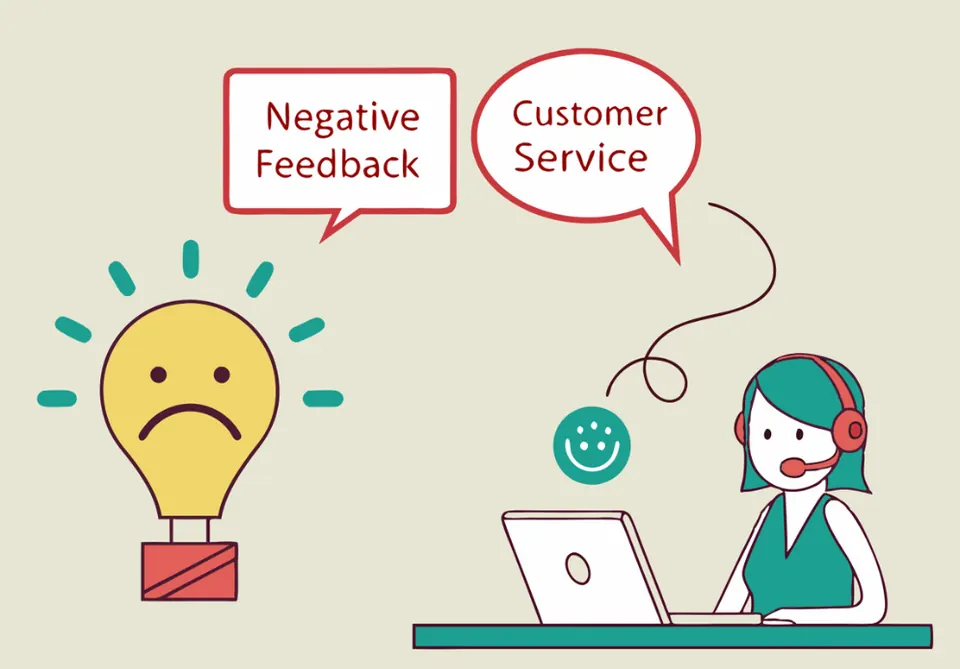
Turning negative feedback into positive outcomes depends less on the complaint than on what happens next. Handled well, a complaint shows the customer, and anyone else watching, how you treat people. The seven practices below cover the first response through to follow-up, and the final section explains how to investigate a complaint that needs more than an on-the-spot fix.
1. Managing Criticism
- Read or listen carefully until you understand the concern.
- Let them share their thoughts without interruption.
- Respond with empathy to acknowledge their feelings.
2. Valuing Customer Feedback
- Respond quickly to avoid escalation.
- Thank the customer for telling you, whatever the tone.
- Stay calm and polite, even with harsh comments.
How Fast to Respond
The first reply matters more than the full fix. Set targets the team can keep:
- In person, phone or chat: straight away, even if the answer is "I will call you back by four o’clock".
- Email: within one working day, from a named person with a next step.
- Public reviews: within a day or two.
If the fix takes longer, give a realistic date and update the customer before it passes.
3. Owning Up to Issues
- Own up to the issue if it’s your fault.
- Apologise sincerely to regain trust.
- Avoid blaming others and focus on solutions.
What Not to Say
- "We’re sorry you feel that way." It apologises for their reaction, not the problem.
- "That’s our policy." Explain the reason and what you can do.
- "Nobody else has complained."
- "It was the courier’s fault." Own it, then take it up with them privately.
- "This will never happen again." Say what you changed instead.
4. Commitment to Improvement
- Give a clear solution (refund, replacement, etc.).
- If the issue is complex, inform the customer you’re investigating.
- Show commitment to long-term improvements and quality.
5. Tracking Recurring Issues
- Look for patterns in feedback to identify recurring problems.
- Make improvements based on feedback to prevent future issues.
- Set up regular feedback loops using surveys, follow-up emails and social media to monitor customer sentiment. Our guide on how to ask for feedback from customers covers channels and timing.
Building a Simple Complaint Log
Record every complaint with the same fields, whatever the channel:
| Field | Example entry |
|---|---|
| Date and channel | 12 March, online review |
| Theme | Late delivery |
| Owner | Customer service lead |
| Action and status | Partial refund, closed 15 March |
Keep the theme list short and review it monthly to see which themes are rising. A customer feedback management process brings every channel into one view.
6. Ensuring Ongoing Satisfaction
- Contact the customer after the fix to confirm they are happy with the resolution.
- If they are not, reopen the issue rather than closing it.
Closing the Loop: Telling Customers What Changed
Tell the customer what changed in plain terms: "We now use a different courier for your area." Share recurring fixes more widely in a short "You told us, we changed it" note. It shows complaints lead somewhere, so customers come to you before posting a public review (see feedback vs review).
7. Criticism Into Credibility
Public complaints are read by other customers too, so a calm, helpful reply is visible proof of how you treat people.
- Reply to public reviews and posts, not just private messages.
- Show what you did to fix the problem, without sharing the customer’s personal details.
- Ask satisfied customers to share their positive experiences publicly.
Example Reply to a Public Review
Thank, acknowledge the specific issue, say what you did, and move offline:
"Thank you for telling us, Priya. Waiting forty minutes for a booked table is not acceptable, and I am sorry. We had taken too many bookings that evening and have changed how we cap them. Please email me at [manager’s email] so I can put this right."
Never argue the facts in public; correct an inaccuracy once, politely.
How to Investigate and Resolve a Customer Complaint
When negative feedback needs more than an on-the-spot fix, treat it as a short investigation:
- Thank and validate. Thank the customer for raising the issue, whatever its tone, and recognise the concerns they raised. Validating a concern does not mean agreeing with every point; it shows you understand. In person, nodding and eye contact show you are engaged and can help calm the situation.
- Gather the facts. Collect details from everyone involved, including the staff on duty and any relevant records, so you find the root cause and spot any wider pattern.
- Choose how to report back. Match the channel to the severity and nature of the complaint: a phone call, an email or a face-to-face meeting.
- Explain what you found. Be concise and clear about what the investigation showed and what will be done about it.
- Fix it now and for the future. Take immediate corrective action where you can, then make longer-term changes, such as policy updates, staff training or process improvements, so the problem does not recur.
- Ask about the changes. When you follow up, invite the customer to give feedback on the changes you made.
Example Response to an In-Person Complaint
"Thank you for telling me. You were charged twice and then had to wait for help. I am sorry. I will reverse the second charge now and print you a receipt."
Repeat the problem back so they know you understood.
Example Follow-Up Email
"Dear Mr Rao, thank you for raising the problem with your order. We found the item was mislabelled in our warehouse and have rechecked the labels on that product line. Your replacement arrived on Tuesday. If anything is not right, reply here and it will come straight to me."
Conclusion
Every complaint is a test the customer is watching. Fix the individual problem, then fix the cause, and tell the customer what changed.
Frequently Asked Questions
1. Why is negative feedback important for growth?
Negative feedback helps businesses identify areas for improvement, offering insights to enhance products or services and drive growth.
2. What are the best practices for responding to negative customer feedback?
Listen to the customer’s concerns, respond politely, offer a solution, apologise if needed, and show empathy to value their feedback.
3. How can recurring feedback lead to improvements?
Analysing recurring feedback helps identify common problems. By addressing these issues and making necessary changes, businesses can improve processes and prevent future complaints.
4. How can businesses ensure that negative feedback does not harm their reputation?
Businesses can protect their reputation by addressing negative feedback openly, taking responsibility, and resolving issues quickly to build trust.
5. Why is following up after feedback important?
Following up shows customers their issues matter, ensures satisfaction, and strengthens loyalty by demonstrating a commitment to improvement.
6. What are active listening techniques for handling complaints?
Pay full attention, do not interrupt and acknowledge the concerns raised. In person, non-verbal cues such as nodding and maintaining eye contact show you are taking the feedback seriously.
7. What are immediate corrective actions?
They are steps taken to put the situation right straight away, such as a refund or replacement, which show the customer you are serious about resolving the issue.
8. Should you ask for feedback again after fixing a complaint?
Yes. When you follow up, tell the customer what changed and invite their feedback on those changes, which shows an ongoing commitment to improvement.
Filed under Feedback Management · First published