Quick answer
What is in-house feedback?
In-house feedback is the collection of opinions, insights and evaluations from employees within an organisation. It shows how internal processes, policies and the workplace environment affect team dynamics and productivity, helping companies identify strengths and weaknesses. It is often gathered through confidential, customisable surveys, and its most important step is acting on what employees say.

In this article (7 sections)
This guide explains what in-house feedback involves in practice: why employee input matters, the features of a good in-house feedback system, how to implement one, the usual obstacles, and whether to build your own tool or buy a third-party one. For feedback from customers rather than staff, see customer feedback management.
Why Is In-House Feedback Crucial?
- Insight from daily work: employees run daily operations, so they see operational strengths and problems before management does.
- Better strategy and processes: their input helps refine strategies and remove bottlenecks.
- Engagement and retention: staff who are listened to and see changes made are more engaged and less likely to leave.
- Alignment: regular feedback keeps organisational goals and employee needs in step.
For using surveys to raise engagement, see boosting employee morale with surveys.
Features of In-House Feedback
1. Confidential And Secure
In-house feedback systems often prioritize anonymity to encourage honesty. Employees feel safe sharing their opinions without fearing repercussions.
2. Customizable Surveys
Companies can tailor in-house feedback forms to address specific challenges, like team collaboration, leadership, or workplace satisfaction.
3. Real-Time Analysis
Modern feedback systems offer immediate insights through data visualization tools, making it easier to address pressing issues.
4. Integration With HR Systems
In-house feedback often integrates seamlessly with existing HR tools, streamlining the process of collecting and analyzing responses.
5. Actionable Outcomes
Unlike generic surveys, in-house feedback focuses on creating direct solutions based on the responses received.
How to Implement an Effective In-House Feedback System?
An effective system combines clear objectives, accessible tools and a culture where honest input is welcome:
1. Define Objectives
Start by identifying why you need feedback. Are you looking to improve team dynamics or assess leadership strategies?
2. Use Digital Tools
Use platforms that make giving feedback quick and easy, such as short online surveys, and keep an anonymous channel, such as a digital suggestion box.
3. Train Managers
Equip leaders with the skills to interpret feedback and create actionable plans.
4. Encourage Open Communication
Let employees know their opinions are valued and will lead to tangible changes, through regular meetings as well as surveys.
5. Act on Feedback
The most critical step is implementing changes based on the feedback collected, and telling staff what changed. Celebrating progress builds trust and keeps participation up.
Challenges of Gathering In-House Feedback
- Low participation: employees may hesitate to share genuine opinions for fear of repercussions, especially without anonymity.
- Unclear objectives and poor survey design: long or vague surveys produce little usable input.
- Misinterpretation of data: improper analysis can lead to flawed decisions.
- Resistance to change: management may find it hard to act on critical feedback, and when nothing changes, employees disengage.
Anonymity, clear communication and visible follow-through address most of these.
In-House vs Third-Party Feedback Systems
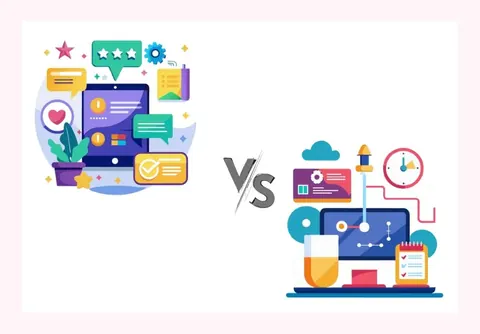
“In-house feedback system” is also used for a feedback tool that an organization builds and manages itself, as opposed to a third-party solution bought from a specialist provider. When you choose the digital tools for your feedback program, this build-or-buy decision affects cost, control and how quickly you can start:
| Factor | In-house system | Third-party solution |
|---|---|---|
| Cost | Higher upfront investment in development and implementation, but lower ongoing costs | Subscription or usage-based fees that are predictable but add up over time |
| Setup time | Slower, because the system has to be developed first | Quick to deploy, so feedback collection can start right away |
| Customization | Tailored precisely to your objectives and integrated directly with internal tools and processes | Ready-made surveys, polls and forms, but customization is limited to what the provider allows |
| Data control and security | Full control over data and security, suited to sensitive or confidential feedback, but you must invest in security infrastructure and expertise | The provider manages security; feedback data is shared with the provider, and a breach on their side affects you |
| Scalability | Possible, but needs planning and extra investment, sometimes a complete overhaul | Usually scales quickly through flexible plans |
| Expertise needed | Substantial IT and development resources for setup and ongoing support | Minimal; the provider handles setup, maintenance and updates and brings feedback expertise |
In short, an in-house build suits organizations that need full control over sensitive data and have the development resources to maintain it. A third-party solution suits those that want to start quickly, scale easily and keep internal effort low. The right choice depends on your budget, in-house expertise and long-term goals.
Conclusion
In-house feedback is a bridge between employees and management. Its value depends less on the tool than on what follows: confidential collection, careful analysis and visible action on what staff say.
Frequently Asked Questions
What is In-House Feedback?
In-house feedback involves gathering insights from employees to improve workplace processes, policies, and overall culture.
What Are The Benefits of In-House Feedback?
In-house feedback enhances employee engagement, improves decision-making, boosts retention, strengthens communication, and drives continuous improvement.
How Often Should In-House Feedback be Collected?
It’s ideal to collect feedback quarterly to track changes and adapt strategies effectively.
Can In-House Feedback Systems be Automated?
Yes, many tools automate feedback collection and analysis, simplifying the process.
What Is The Difference Between In-House And Third-Party Feedback Systems?
An in-house system is built and managed within your organization, giving you more customization and full control of your data. A third-party solution comes from a specialist provider and is quicker to deploy and easier to scale, but offers less customization.
Are Third-Party Feedback Solutions Secure?
Providers usually follow strict security standards, but data security ultimately depends on the provider, so check how they protect your data before you share it.
Is It Cheaper To Build An In-House Feedback System?
Not at first. In-house systems need a higher initial investment but usually have lower ongoing costs, while third-party tools charge predictable subscription or usage fees that add up over time.
Filed under Feedback Management · First published