Quick answer
What are the types of CRM?
CRM systems fall into four main types, each built for a different goal:
- Operational CRM automates sales, marketing and customer service
- Analytical CRM analyses customer data to understand behaviour and preferences
- Collaborative CRM shares customer data across departments
- Strategic CRM focuses on long-term engagement and loyalty
In this article (6 sections)
Knowing the types of customer relationship management helps you avoid paying for a CRM built for a job you do not need. This guide explains what CRM is, the benefits it brings, the features of each type and who it suits, and how to choose the right one for your business.
What is Customer Relationship Management (CRM)?
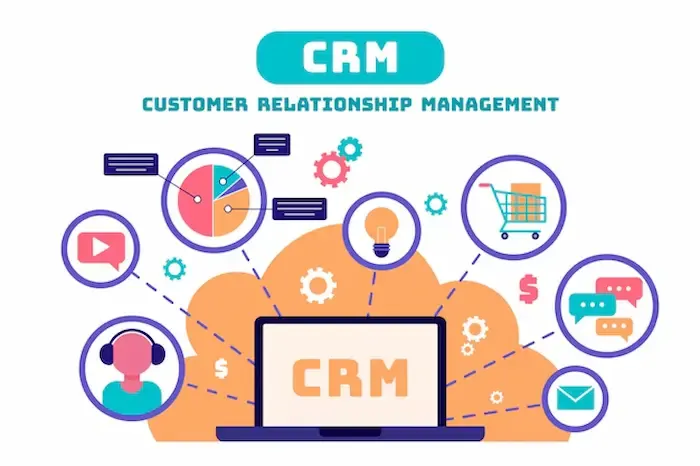
Customer Relationship Management (CRM) refers to a system or strategy businesses use to manage interactions with current and potential customers. CRM software helps companies streamline processes, improve customer relationships, and increase profitability.
The Benefits of Customer Relationship Management for Business Growth
Whichever type you choose, a CRM system brings these benefits:
1. Improved Customer Relationships
CRM systems store valuable customer data, allowing businesses to understand customer needs, preferences, and behavior. This helps in building stronger relationships by offering personalized services and proactive support.
- Better customer interactions
- Personalized marketing and recommendations
- Increased customer trust and loyalty
2. Increased Sales and Revenue
CRM software helps businesses track leads, automate follow-ups, and close deals faster. By optimizing the sales process, businesses can convert more leads into customers.
- Better lead management
- Automated sales tracking
- Increased conversion rates
3. Enhanced Customer Service
With a CRM system, customer service teams have access to customer history, purchase records, and previous interactions, enabling them to resolve issues quickly and efficiently.
- Faster response times
- Improved customer satisfaction
- Seamless support across multiple channels
4. Centralized Customer Data
CRM acts as a centralized hub for storing customer information, eliminating the need for scattered spreadsheets and documents. This ensures that all teams have access to up-to-date customer data.
- Easy access to customer insights
- Consistent data across departments
- Improved team collaboration
5. Data-Driven Decision Making
CRM software provides powerful analytics and reporting tools that help businesses track performance, monitor customer behavior, and make informed decisions based on real-time data.
- Predictive analytics for better forecasting
- Identifying trends and customer patterns
- Optimized marketing and sales strategies
6. Marketing Automation and Campaign Management
CRM tools help businesses automate email marketing, segment customers, and track campaign performance, ensuring that marketing efforts are targeted and effective.
- Personalized email marketing
- Automated follow-ups and reminders
- Higher ROI on marketing campaigns
Main Types of Customer Relationship Management
Each of the four main types has distinct features and suits different businesses. Many CRM products combine more than one.
1. Operational CRM
Operational CRM focuses on automating and improving business operations, especially in sales, marketing, and customer service. It helps businesses streamline their workflow, reduce manual tasks, and improve efficiency.
Key Features of Operational CRM
- Sales Automation: Tracks leads, manages sales pipelines, and automates follow-ups.
- Marketing Automation: Automates email campaigns, social media marketing, and customer segmentation.
- Customer Service Automation: Provides self-service portals, chatbots, and automated ticketing systems.
Benefits of Operational CRM
- Increases efficiency by automating repetitive tasks.
- Improves customer interactions through quick responses.
- Enhances lead management and conversion rates.
Best for
- Businesses with high customer interaction
- Companies focusing on sales growth
- Enterprises aiming to improve marketing strategies
2. Analytical CRM
Analytical CRM focuses on data collection and analysis to understand customer behavior and preferences. It helps businesses make informed decisions based on customer insights.
Key Features of Analytical CRM
- Customer Data Management: Collects and stores customer information.
- Predictive Analytics: Analyzes customer behavior and predicts future trends.
- Segmentation: Categorizes customers based on behavior, preferences, and purchase history.
Benefits of Analytical CRM
- Provides insights into customer preferences.
- Helps in personalized marketing campaigns.
- Enhances decision-making through data-driven strategies.
Best for
- Businesses that rely on data for decision-making
- Companies looking to improve customer retention
- Organizations focused on personalized marketing
3. Collaborative CRM
Collaborative CRM improves communication between different departments, ensuring a seamless customer experience. It helps businesses share customer data across teams for better service.
Key Features of Collaborative CRM
- Shared Customer Information: Ensures all departments have access to customer data.
- Multi-Channel Communication: Integrates communication channels like email, phone, and live chat.
- Interaction Tracking: Keeps records of customer interactions for better service.
Benefits of Collaborative CRM
- Enhances teamwork and communication across departments.
- Improves customer service by providing a unified experience.
- Reduces response time to customer queries.
Best for
- Large organizations with multiple departments
- Businesses that interact with customers through various channels
- Companies that need a centralized customer data system
4. Strategic CRM
Strategic CRM focuses on long-term customer engagement and loyalty. It helps businesses build strong relationships with customers and create personalized experiences.
Key Features of Strategic CRM
- Customer Retention Tools: Offers loyalty programs, rewards, and personalized discounts.
- Customer-Centric Approach: Prioritizes customer needs and preferences.
- Brand Engagement: Encourages long-term relationships through targeted strategies.
Benefits of Strategic CRM
- Improves customer loyalty and retention.
- Enhances brand reputation and trust.
- Provides long-term business growth strategies.
Best for
- Businesses focused on long-term customer relationships
- Companies aiming to increase customer loyalty
- Brands looking to improve customer lifetime value
Choosing the Right CRM for Your Business
When selecting a CRM system, businesses should consider the following factors:
- Business Size: Small businesses may prefer operational or collaborative CRM, while large enterprises may need analytical CRM.
- Customer Interaction: If customer interaction is high, operational and collaborative CRMs are ideal.
- Data Usage: If data analysis is crucial, analytical CRM is the best choice.
- Long-Term Strategy: Businesses focusing on customer loyalty should opt for strategic CRM.
Conclusion
Start from the problem you most need to solve, such as slow follow-ups, poor visibility of customer data or customers drifting away, and choose the CRM type that addresses it. Customer feedback is a useful input to any CRM; see our guide to customer feedback management.
Frequently Asked Questions
What Is The Main Purpose Of CRM?
CRM helps businesses manage customer interactions, improve relationships, and increase sales.
Which Type Of CRM Is Best For Small Businesses?
Operational CRM is ideal for small businesses as it automates marketing, sales, and customer service.
3. How Does Analytical CRM Help Businesses?
It analyzes customer data to provide insights into customer behavior and preferences, helping businesses make data-driven decisions.
4. Can A Business Use More Than One Type Of CRM?
Yes, businesses can integrate multiple CRM types based on their needs. For example, using both Operational CRM for automation and Analytical CRM for insights.
5. What Are The Key Benefits Of Using CRM?
CRM improves customer service, increases efficiency, enhances sales processes, and helps businesses understand customer needs better.
Filed under Feedback Management · First published