Quick answer
How can a shopping mall collect shopper feedback?
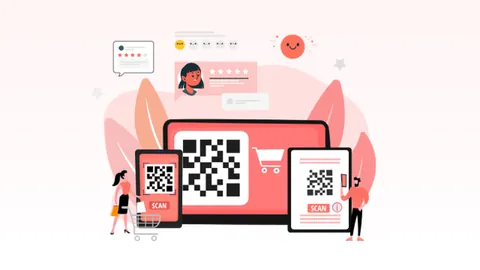
Place a QR code in each washroom, food court, parking area, lift lobby and entrance so shoppers can rate that exact spot and report an issue from their phone in seconds. Route each report to the staff member on duty there, escalate it if it is not fixed in time, and review ratings by location.
In this article (8 sections)
Shoppers judge a mall on more than its stores. A dirty washroom, a broken escalator, a crowded food court or a confusing car park can undo a good day out. Yet most shoppers who see a problem simply leave, and the few who complain do it at the help desk, long after the moment has passed.
This guide explains where and how shopping malls can collect shopper feedback, which survey questions to ask, and how to make sure every issue reaches the right team quickly.
Why Shopper Feedback Matters for Malls
Shopper feedback tells mall management what visitors experience on the floor, not what reports say should be happening. Collected well, it helps a mall:
- Fix problems while the shopper is still there, instead of reading about them in a review days later.
- See which areas need attention, such as a particular washroom, entrance or parking level.
- Hold teams and contractors to a standard, with a record of what was reported and how quickly it was resolved.
- Show tenants the mall is looking after its common areas, which shape how long shoppers stay.
Where to Collect Feedback in a Shopping Mall
Ask for feedback anywhere shoppers form an opinion about the mall itself:
- Washrooms
- Food courts
- Parking areas
- Lifts and escalators
- Entrances
- Help desks
Ways to Collect Shopper Feedback
QR Codes at the Spot
Because each code belongs to one location, use one per space staff are accountable for: separate codes for gents and ladies washrooms and for each parking level, so a report points to one team and one shift. Add a short line to the sign, such as "Scan to rate or report a problem", so shoppers know what the code is for. For washrooms specifically, our guide to choosing a toilet feedback machine compares QR codes with button terminals and kiosks.
Short Surveys
A short survey after an event, a promotion or a visit to the help desk gives a broader view of the shopping experience. Keep it to a few questions so more shoppers finish it.
Help Desk and Front-Line Staff
Help desk, security and housekeeping staff hear comments every day. Log what they hear in the same place as other feedback so nothing is lost.
Online Reviews and Social Media
Reviews and social media posts show how shoppers describe the mall to others. Track them, but treat them as a late signal: by the time a review is posted, the shopper has already gone home.
Sample Shopping Mall Survey Questions
Ask shoppers to rate each area on a scale of 1 to 5, and leave room for a comment:
- Washrooms: How clean and well stocked was the washroom you used?
- Food court: How clean and comfortable was the food court seating area?
- Parking: How easy was it to park and find the exit?
- Lifts and escalators: Were the lifts and escalators working when you needed them?
- Finding stores: How easy was it to find the stores you came for?
- Cleanliness: How clean were the corridors and common areas?
- Safety: How safe did you feel in the mall and the car park?
- Help desk: How helpful was the help desk or information counter?
- Overall: How likely are you to recommend this mall to a friend?
- Open question: What one thing should we improve?
How to Act on Shopper Feedback
A simple process keeps issues moving:
- Route each report to the person responsible for that location and shift, not to a shared inbox.
- Set how long each level has to act, and escalate to a supervisor and then a manager if an issue is not resolved in time. Writing this down as an escalation matrix makes the levels clear to everyone.
- Close the loop by marking issues resolved, so you can see what was fixed and how long it took.
- Review the trends by location, issue type and time of day, and fix the causes behind repeat problems. If "finding stores" scores low, our guide to mall wayfinding signage and digital directories is the place to start.
Complaints made at the help desk, by phone or by tenants need a fuller lifecycle, from logging to verified closure, covered in our guide to the complaint management system for malls.
How LazyMonkey QR Feedback Works in Malls
LazyMonkey QR Feedback puts this process in place:
- Shoppers scan the code at that spot, rate it and pick what is wrong, with an optional photo, in English, Hindi or Arabic and with no app.
- The report goes to the staff member responsible for that location and shift by WhatsApp, SMS or email.
- If it is not resolved in time, it moves up your escalation levels automatically; staff close it from a link without logging in.
- Dashboards show ratings and issues by location, tag and time, with a daily email summary.
Conclusion
Start small: put codes in the busiest washrooms and the food court, ask the survey questions above, and review the first month's results by location and hour. Expand once staff are closing reports reliably, because a report nobody acts on teaches shoppers not to bother.
Frequently Asked Questions
What questions should a shopping mall survey ask?
Ask shoppers to rate the areas the mall controls, such as washrooms, the food court, parking, lifts and escalators, cleanliness, safety and the help desk, plus how likely they are to recommend the mall and one thing it should improve.
Where should a mall place feedback QR codes?
Anywhere shoppers form an opinion: washrooms, food courts, parking, lifts, escalators, entrances and help desks.
Do shoppers need an app to give feedback?
No. With QR feedback, the form opens in the phone's browser, so shoppers can rate a space and report an issue without installing anything.
What should happen after a shopper reports an issue?
The report should go straight to the person responsible for that area and shift, escalate to a supervisor and then a manager if it is not resolved in time, and be marked resolved so the mall can track what was fixed.
Filed under Mall & Facility Operations · First published