Quick answer
What is a toilet feedback machine and which type should a mall choose?
A toilet feedback machine lets washroom users rate cleanliness and report problems on the spot. Smiley button terminals collect the most ratings, touchscreen kiosks add survey questions, and QR code feedback captures issue tags, photos and exact location with no hardware. For malls, routing each report to the on-duty cleaner matters more than the device.
In this article (9 sections)
This guide is for mall operations heads, facility managers and housekeeping managers in India who are choosing a toilet feedback machine or washroom feedback system. It compares the three options on the market (smiley button terminals, touchscreen kiosks and QR code feedback) on cost, detail, hygiene and what happens after a shopper presses "unhappy".
It covers how each type works, dated price context from Indian seller listings, the features that matter in a mall, and a rollout plan. Cleaning schedules are in our washroom cleaning checklist.
What Is a Toilet Feedback Machine?
The term covers the hardware on the wall and the software behind it: the dashboard, the alerts and the routing to staff. Its value is time: a dirty or unstocked washroom is fixed while the user is still in the building, not discovered at the next inspection.
The idea has official backing for public toilets in India. The Ministry of Housing and Urban Affairs' Advisory on Public and Community Toilets (CPHEEO, November 2018) says user feedback machines should be installed in toilets and that mobile applications can also be used for monitoring. Malls are not bound by that advisory, but the logic is the same: users see the washroom more often than any supervisor does.
Types of Washroom Feedback System
Smiley button terminals
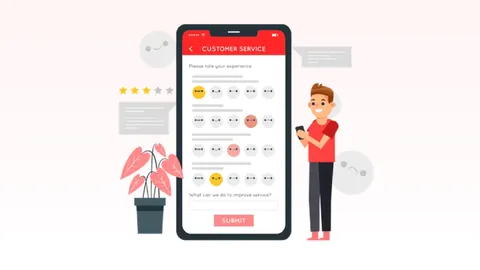
A wall-mounted box with three to five large buttons, usually smiley faces from happy to unhappy, and on some models extra buttons for specific problems such as "no water" or "dirty floor". The user presses one button. Each press is stored with a time stamp and sent over a SIM, Wi-Fi or a local link to a dashboard, or kept in memory for download, depending on the model. Whether anyone is alerted, and how, depends on the model and its software.
Touchscreen kiosks and tablets
A floor-standing kiosk or a wall-mounted tablet showing a short survey: an overall rating, then follow-up questions or issue choices, sometimes in several languages. They capture more detail than buttons, but they need mains power, a network connection, a protective enclosure and regular cleaning of the screen, and they are usually mounted outside the wet area.
QR code feedback
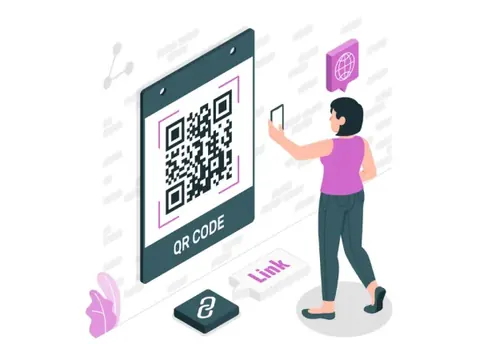
A printed QR code in each washroom opens a short form in the user's phone browser, with no app download. The user gives a rating and picks issue tags, and can add a comment or photo. Because each code is tied to one location, every report arrives tagged with the exact washroom, and the system can route it to the person on duty there. Our guide to QR code feedback systems covers the method in more detail.
Toilet Feedback Machine Comparison
| Factor | Smiley button terminal | Touchscreen kiosk or tablet | QR code feedback |
|---|---|---|---|
| Upfront cost | Low to moderate per unit | Highest per unit | Printing and mounting only; software subscription |
| Running cost | Batteries or power, SIM or Wi-Fi, dashboard fee on many models, repairs | Power, network, enclosure, screen cleaning, repairs, software | Software subscription; reprint damaged codes |
| Response volume | Highest: one tap, no phone needed | Moderate | Lower: user must take out a phone and scan |
| Issue detail | Rating, plus fixed issue buttons on some models | Rating plus follow-up questions | Rating, issue tags, comment and photo |
| Location precision | Per device | Per device, often one per block | Per code, so per washroom or even per cubicle block |
| Alerts and routing | Varies by model and software; confirm who is alerted and how | Varies by software | Can route each report to the on-duty staff member, with escalation, if the software supports it |
| Hygiene and touch | Shared touch surface in a washroom | Shared touch screen | Touch-free; user's own phone |
| Vandalism and misuse | Exposed to damage; repeated presses by children inflate counts | Exposed to damage and theft | Codes can be torn or covered; optional OTP check filters fake submissions |
| Language | Icons work for everyone | Multilingual screens possible | Multilingual forms possible |
| Data and reporting | Counts by time; detail depends on model | Survey data, export depends on vendor | Ratings and issues by location, tag and time |
Volume and usefulness pull in opposite directions: a button press costs the user nothing, while a QR report says what is wrong and where, and needs no hardware in a wet, high-traffic space. Kiosks suit help desks and food courts better than washrooms.
Toilet Feedback Machine Price in India
There is no standard price list. The figures below are seller asking prices from IndiaMART's "Customer Feedback System" category, viewed on 11 October 2026. They are individual seller listings, not market rates, and may exclude GST, installation, connectivity and software. Check current listings and get written quotes before budgeting.
| Type (as listed by sellers) | Listed prices seen, per unit |
|---|---|
| Toilet or washroom feedback machines (button or smiley type) | About ₹2,000 to ₹6,500 |
| General feedback systems marketed for customers, toilets and showrooms | Around ₹10,000 and above |
| Wall-mounted touchscreen feedback terminals and kiosks | About ₹24,000 to ₹48,000 |
For a dated public benchmark on rental, the same 2018 CPHEEO advisory records that BSNL, Telecommunications Consultants India Limited (TCIL) and ITI Limited could be engaged by urban local bodies for an ICT-based toilet feedback solution at ₹945 per device per month, exclusive of taxes. That was a 2018 rate for municipal public toilets; treat it as historical context, not a current quote.
When comparing quotes, ask about the costs that are not in the unit price:
- SIM or data plan, or Wi-Fi coverage at each washroom
- Power point or battery replacement cycle
- Tamper-proof mounting and enclosure, and installation
- Dashboard, alert or software subscription, per device or per site
- Warranty, annual maintenance and replacement after damage
- Who sees the alert, and how fast, which is where most of the value lies
Features That Matter for Malls
A mall has dozens of washrooms across floors and food courts, staffed on rotating shifts. Whatever you buy, check that it does the following:
- Per-washroom location: each report tied to an exact washroom (L2 Ladies near Food Court, not just "Level 2").
- Issue tags: "no soap", "no tissue", "wet floor", "bad odour", "toilet blocked", so the cleaner knows what to bring.
- Photo: evidence of the problem, and of the fix.
- Routing by shift: the alert goes to whoever is on duty for that washroom at that time, not to a shared inbox.
- Escalation: if no one acts in time, it moves to the supervisor, then the manager, with levels and timings set in your escalation matrix.
- Daily summaries: ratings and issues by washroom, tag and hour, so you can move staff to the problem hours.
- Fake-rating control: an OTP check or similar, so a competitor or a bored child cannot flood the data.
- Languages: at least English and Hindi, plus the languages your shoppers use.
- Closing the loop: staff should be able to mark an issue resolved from their phone in seconds, or they will not.
How to Roll Out a Washroom Feedback System
- Map every washroom, with separate points for gents, ladies, accessible and baby-care rooms, and give each a clear name staff recognise.
- Place it where people decide: at the basin area or beside the exit, at eye level, away from splashes. Never place devices or codes inside cubicles.
- Use clear signage, for example "How clean is this washroom? Scan to rate or report a problem. No app needed." Keep the sign clean; a dirty feedback sign undermines the message.
- Load the shift roster so alerts reach the right attendant and supervisor for each washroom and shift; rostering is already part of the housekeeping supervisor's duties.
- Set response times by issue type and agree them with your housekeeping contractor.
- Train staff on receiving, acting on and closing alerts, and on what happens if they do not.
- Check codes and devices on every round, so a torn code or dead terminal is replaced the same day; add the item to your housekeeping checklist.
- Review weekly: worst washrooms, worst hours, repeat issues, and alerts closed late, alongside the help desk complaints in your complaint management system.
Suggested starting times for the attendant to respond, to tune to your own mall and contract:
- Wet floor or spill: 5 minutes
- No soap, tissue or towels: 10 minutes
- Dirty toilet or urinal: 10 minutes
- Bad odour: 15 minutes
- Blocked toilet, leak or broken fixture: close the cubicle and call engineering within 15 minutes
Feedback is only half the system: pair it with scheduled, verified cleaning rounds, so you see both what was done and how users experienced it.
How LazyMonkey QR Feedback Works
LazyMonkey QR Feedback takes the QR route, and has been used by DLF malls since 2023:
- One code per washroom; shoppers rate it and pick issue tags, with an optional photo, in English, Hindi or Arabic, with no app.
- An optional one-time-password check filters out fake submissions.
- Reports go to the staff member on duty for that washroom and shift on WhatsApp, SMS or email, and move up to a supervisor and manager if not resolved in time.
- Staff close issues from a link without logging in; managers get dashboards and a daily summary.
Conclusion
A toilet feedback machine is only as good as what happens after the rating. Before you buy, test one washroom end to end: press "unhappy" or report "no soap", and time how long it takes for the right cleaner to arrive.
Frequently Asked Questions
What is the price of a toilet feedback machine in India?
On IndiaMART on 11 October 2026, sellers listed toilet feedback machines at roughly ₹2,000 to ₹6,500 per unit, and touchscreen feedback terminals and kiosks at about ₹24,000 to ₹48,000. These are seller asking prices that may exclude GST, installation, connectivity and software, so get written quotes.
How does a smiley feedback machine work?
The user presses one of three to five buttons, from happy to unhappy, and some models add buttons for specific problems. Each press is time-stamped and sent to a dashboard over SIM or Wi-Fi, or stored for download, and whether staff are alerted depends on the model and its software.
Is QR code feedback better than a feedback machine?
It depends on what you need. A smiley machine collects more ratings because it takes one tap, while QR code feedback collects fewer but more useful reports, with issue tags, comments, photos and exact location, and needs no hardware or shared touch surface in the washroom.
Where should a washroom feedback QR code or machine be placed?
Place it at eye level near the basins or beside the exit, away from splashes, with one point per washroom so every report is tied to an exact location. Never place devices or codes inside cubicles.
Does the government recommend toilet feedback machines?
For public and community toilets, yes. The Ministry of Housing and Urban Affairs' 2018 Advisory on Public and Community Toilets says user feedback machines should be installed in toilets and that mobile applications can also be used for monitoring.
Sources
- Customer Feedback System: latest price, manufacturers and suppliers (seller listings, viewed 11 October 2026) IndiaMART, 11 Oct 2026
- Advisory on Public and Community Toilets Central Public Health and Environmental Engineering Organisation (CPHEEO), Ministry of Housing and Urban Affairs, 1 Nov 2018
Filed under Mall & Facility Operations · First published