Quick answer
What is a citizen feedback system for a municipal corporation?
It is a way for residents to rate and report on city services where they use them, such as toilets, garbage points, parks and ward offices, with each issue sent to the responsible official within minutes. A good system does four things:
- Collects feedback without effort from the citizen
- Routes each issue to a named owner
- Tracks it until it is fixed
- Shows managers patterns by ward, service and contractor
In this article (9 sections)
- What a citizen feedback system is
- Why citizen feedback matters for urban local bodies in India
- Where to place feedback QR codes in a city
- What to measure, ward by ward
- How to set up a citizen feedback system step by step
- How to act on feedback and close the loop
- Common mistakes cities make
- How LazyMonkey supports Nagar Nigams and smart cities
- Frequently Asked Questions
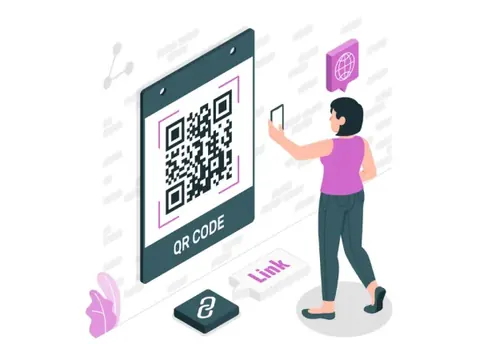
Most of what a municipal corporation hears from residents arrives as grievances: helpline calls, CPGRAMS cases and Swachhata App complaints filed after something has already gone badly wrong. A citizen feedback system adds a quicker, more local signal. In an Indian city that usually means a QR code at each public toilet, garbage point, park or ward office: a resident scans it with a phone camera, answers two or three questions in their own language, and the sanitary inspector, junior engineer or contractor for that exact location gets an alert.
This guide is for commissioners, zonal officers and smart city teams setting up such a system across wards, alongside CPGRAMS and the Swachh Survekshan channels rather than in place of them.
What a citizen feedback system is
A municipal corporation already receives complaints through helplines, grievance portals and apps. A citizen feedback system is different in three ways:
- It asks, rather than waits. A grievance is filed only when something has gone badly wrong. Feedback is invited at every visit, so you also hear about small problems and what is working.
- It is tied to a location. Each QR code belongs to one asset: toilet block 14 in Ward 22, or the bus shelter outside the district court. You know where the problem is without asking.
- It produces comparable data. The same short questions at every toilet or park let you compare wards, shifts and contractors.
The best systems combine the two: a quick rating for every visit, and a complaint route that opens a ticket when the rating is poor or the citizen reports a specific fault. If you are new to the idea, our guide on what a QR code feedback system is explains the basic mechanics.
Why citizen feedback matters for urban local bodies in India
Citizen feedback is now part of how cities are assessed and how grievances are expected to be handled.
- Swachh Survekshan counts it. The Ministry of Housing and Urban Affairs (MoHUA) listed "Citizen feedback and grievance redressal" as one of ten parameters when it launched the toolkit for the ninth edition of Swachh Survekshan in January 2025. According to MoHUA, 14 crore citizens took part in Swachh Survekshan 2024-25 through face-to-face interactions, the Swachhata App, MyGov and social media. For the 2025-26 edition, MoHUA says citizens can share feedback round the year through the Vote For My City App and Portal, the MyGov App, the Swachhata App and QR codes, and that the citizen validation weightage "has been increased considerably".
- Grievance timelines are getting shorter. CPGRAMS, the national grievance portal at pgportal.gov.in, is described by the Department of Administrative Reforms and Public Grievances (DARPG) as a common platform for complaints "against any public authority in Central Government or States/ UT". Its August 2024 guidelines reduce the maximum redressal time advised by DARPG to 21 days, with an interim reply where more time is needed. Citizens are asked for feedback when their grievance is closed and can appeal if they are not satisfied.
- Perception is scored. The Ease of Living Index 2020 added a Citizen Perception Survey with a weightage of 30%, and MoHUA reported that 32.2 lakh citizens from 111 cities took part.
- Smart cities already run control rooms. Under the Smart Cities Mission, MoHUA told Parliament that Integrated Command and Control Centres have been operationalised in all smart cities. Location-tagged citizen feedback is a natural input for those control rooms.
To be clear, a corporation's own feedback system does not replace CPGRAMS, the state grievance portal or the official Swachh Survekshan channels, and its scores are not part of any national ranking. Its value is operational: it helps you find and fix the problems citizens will later judge you on.
Where to place feedback QR codes in a city
Start with service points that are used often, fail often and have a clear owner. Typical first locations are:
- Public and community toilets: cleanliness, water, lighting, smell, attendant present.
- Garbage points and secondary collection points: overflow, missed pick-up, burning, stray animals.
- Ward offices and citizen service centres: waiting time, staff behaviour, whether the work was done.
- Parks and open gyms: cleanliness, broken equipment, lighting, safety.
- Bus stands and city bus depots: cleanliness, seating, shelter, information displays.
- Markets, vending zones and streetlight poles: drainage, lighting faults, encroachment.
Each code should carry a visible location ID, the service name in the local language and a line saying what happens to the feedback. Put it at eye level near the exit, where people have just used the service.
What to measure, ward by ward
Keep metrics few and define each one the same way in every ward. These matter most to a commissioner or zonal officer:
| Metric | What it shows | How to calculate it |
|---|---|---|
| Service satisfaction score | How citizens rate a location or service | Ratings of 4 or 5 on a 1 to 5 scale ÷ all ratings × 100, per location and per week |
| Negative feedback rate | How often a service point fails | Ratings of 1 or 2 ÷ all ratings × 100 |
| Response volume | Whether citizens are using the code at all | Responses per location per week; a sudden drop can mean a damaged or removed sticker |
| Time to acknowledge | How fast the owner sees and accepts the issue | Median time from submission to first action by the assigned official |
| Resolution within service level | Whether issues are fixed on time | Issues closed within the agreed time ÷ all issues closed × 100 |
| Repeat issue rate | Whether fixes last | Issues of the same type at the same location within 7 days of closure ÷ all closed issues × 100 |
| Escalation rate | Where the first level is not coping | Issues escalated to the next level ÷ all issues × 100, by ward and department |
A ward with a high satisfaction score but rising repeat issues is usually fixing symptoms, not causes.
How to set up a citizen feedback system step by step
1. Map service points and owners
List every asset you want feedback on, ward by ward, with an ID and the official or contractor responsible for it, for example the sanitary inspector for toilets and garbage points or the electrical junior engineer for streetlights. If nobody owns a location, feedback from it will go nowhere.
2. Write short forms for each service
Use three to five questions, with picture or emoji ratings so that anyone can answer. A public toilet form might ask: How clean was the toilet? Was water available? Were the lights working? Anything else we should know? Offer Hindi and the state language alongside English, and make the phone number optional.
3. Set service levels and an escalation path
Decide how quickly each type of issue must be fixed and who is alerted if it is not. An unclean toilet may need action within a few hours; a broken park bench can take longer. Write these rules down before launch.
4. Pilot in a few wards
Start with two or three wards with different conditions. Check whether alerts reach the right people, whether officials close issues properly and whether citizens use the codes. Fix the forms and routing before you expand.
5. Roll out in phases and train staff
Expand zone by zone. Train field staff on how to receive an alert and close an issue, and explain that false closures show up as repeat complaints. Train supervisors to read the dashboard.
6. Build reviews into the calendar
Review ward data weekly with zonal officers and city-wide trends monthly with the commissioner, using the same report format each time.
How to act on feedback and close the loop
Citizens notice whether anything changes. A simple loop works for most civic services:
- Alert: the owner of the location is notified as soon as a poor rating or complaint arrives.
- Act: the issue is fixed, and the fix is recorded with a note or photograph by the field team.
- Escalate: if the issue is still open when the service level expires, it moves to the next level automatically.
- Confirm: where the citizen left a number, tell them it has been fixed. This mirrors the CPGRAMS practice of contacting citizens when their grievance is disposed of.
- Learn: review repeat issues to find causes, such as a contractor short of staff or a pump that keeps failing.
Speed matters: a dirty toilet reported in the morning should be clean by lunchtime, not discussed at a monthly review. Our article on instant versus delayed feedback processing compares the two approaches. When feedback is angry or unfair, the guidance in turning negative feedback into a positive experience applies just as well to citizens as to customers.
Beyond daily operations, location-wise ratings can support contractor performance reviews, show where new toilets or bins are needed and tell councillors what their ward is reporting.
Common mistakes cities make
- One QR code for the whole city. Without a location ID, every complaint needs follow-up just to find out where it is.
- Feedback with no owner. If alerts go to a general inbox, nobody acts on them.
- Punishing every bad rating. If staff are penalised for each low score, some will remove stickers or fill in ratings themselves. Use trends, not single responses, for performance reviews.
- Mixing feedback with emergencies. Print the city helpline and emergency numbers on the same signboard so urgent problems do not wait in a feedback queue.
- Careless handling of personal data. Collect only what you need and restrict who can see phone numbers. Our guide to confidentiality and security in feedback systems covers the basics.
How LazyMonkey supports Nagar Nigams and smart cities
LazyMonkey's citizen feedback system for Nagar Nigams and smart cities works in the way this guide describes. Each toilet, garbage point, park, office or streetlight gets its own QR code with location and service tags, and citizens answer in their own language without installing an app. Issues go to the relevant department with SMS alerts and move up an escalation matrix with set time limits for each level, while commissioners see trends by location and service on a live dashboard. It can start as a pilot in a few wards and be rolled out in phases.
Frequently Asked Questions
What is the difference between a citizen feedback system and a grievance redressal system?
A grievance redressal system handles complaints that citizens choose to file, usually after something has gone wrong. A citizen feedback system invites a quick rating at every visit to a service point, so problems are caught early and good performance is recorded too. Most cities need both, with poor ratings opening a complaint automatically.
Does a municipal feedback system replace CPGRAMS or the Swachhata App?
No. CPGRAMS, state grievance portals and the official Swachh Survekshan channels remain available to citizens and should stay that way. A corporation's own feedback system works alongside them, giving ward teams location-level data they can act on the same day.
Where should a Nagar Nigam place feedback QR codes first?
Start with public and community toilets, garbage points and ward offices. They are used daily, problems there are easy to spot and fix, and each has a clear owner. Parks, bus stands and streetlights can follow once the routing and escalation work well.
Do citizens need to download an app to give feedback?
Not with a QR-based system. Citizens scan the code with their phone camera and the form opens in the browser. Few people will install an app to report one dirty toilet or broken light.
How do you prevent fake or staff-filled feedback?
Look for unusual patterns, such as many ratings from one location in a few minutes or perfect scores at a site with repeat complaints. Spot-check sites in person, and judge staff on trends and resolution times rather than single ratings, which removes most of the incentive to game the system.
What should a citizen feedback form ask?
Keep it to three to five questions specific to the service, such as cleanliness, water and lighting for a toilet, plus an optional comment. Use picture or emoji ratings, offer the local language and make contact details optional so that citizens are not put off.
Sources
- Comprehensive guidelines for handling the Public Grievances (Office Memorandum) Department of Administrative Reforms and Public Grievances, Government of India, 23 Aug 2024
- Union Minister Shri Manohar Lal Khattar launches the toolkit for 9th edition of Swachh Survekshan today Press Information Bureau, Ministry of Housing and Urban Affairs, 17 Jan 2025
- President of India, Smt. Droupadi Murmu to confer the prestigious Swachh Survekshan 2024-25 awards on 17 July, 2025 Press Information Bureau, Ministry of Housing and Urban Affairs, 15 Jul 2025
- MoHUA launches 10th Swachh Survekshan Press Information Bureau, Ministry of Housing and Urban Affairs, 20 Dec 2025
- Bengaluru, Pune, Ahmedabad best cities in EoLI 2020 (Million Plus Category) Press Information Bureau, Ministry of Housing and Urban Affairs, 4 Mar 2021
- Integrated Command and Control Centres Press Information Bureau, Ministry of Housing and Urban Affairs, 10 Aug 2023
Filed under Industry Guides · First published